Cost-Effective Moving: Tips for Saving During Relocate


Moving to a different home can be an thrilling yet challenging experience. If you're moving across the street or to another state, the process often comes with a list of challenges and unexpected costs that can add up quickly. Fortunately, with meticulous planning and a sharp focus on cost-saving strategies, you can make your relocation both efficient and affordable.
In this resource, we will delve into a host of tips and tricks to conserve you money while guaranteeing a smooth transition to your new home. From perfecting the skill of packing to understanding the nuances of relocation quotes, we have assembled essential insights to help you manage this significant life change. Regardless of your circumstances, our insights will prepare you for all aspect of your move, making the experience less stressful and more enjoyable.
Preparing to Relocate: Essential Checklists and Schedules
As you get ready for a relocation, creating a thorough checklist is essential to staying organized and minimizing stress. Begin your planning at least eight weeks before the day of the move. During this time, list out tasks such as informing your landlord or real estate agent, booking moving services, and creating an inventory of your belongings. This early planning will assist you address all essential details without the rush.
As the moving day approaches, break down your tasks into weekly-based goals. For instance, six weeks before the move, focus on decluttering your home using the "Retain, Toss, Give away" approach. This not only reduces your burden but can also save you expenses associated with preparing and moving unneeded items. By four weeks before, begin packing less important items and researching moving companies, evaluating estimates, and understanding binding and non-binding quotes.
With just a week left before the move, it's time to finalize logistics. Verify your date with the moving company with the moving company, create a "First Night" box with crucial items you'll need immediately upon getting there, and make sure your utilities are set up at your new home. By adhering to this timeline, you'll alleviate some of the stresses that accompany transitions, making your move smoother and more affordable.
Smart Preparation Strategies: Tips for Every Room
When it comes to packing, having a strategy can save you time and stress. Start in the cooking area, where dishware and glasses require delicate handling. Use linens or apparel to protect fragile items and prevent breakage. Make an inventory of the items packed in each box to keep track of everything. Label boxes distinctly showing contents and the room they are for, making the unpacking process more organized and efficient.
In your living room, consider the layout of your furniture and decor. Disassemble big items like shelves or media units for easier transport. Wrap smaller items in bubble cushioning or soft fabric to protect them from scratches. Don’t forget about your gadgets; make sure to pack cables and remotes together in a marked bag to prevent mix-ups when reconnecting everything in your fresh space.
Bedrooms often hold meaningful items, so take your time with packing. Utilize wardrobe boxes for clothing to make the transition smoother. For personal items like jewelry and valuables, pack them individually and keep them with you during the relocation. In conclusion, consider packing a distinct “essentials” box for each family member, including items like personal care items, a change of clothes, and comfort items, to ease the adjustment into your new home.
Cost-Saving Tips: Navigating Moving Expenses
A key to minimizing moving expenses is beginning your planning well in advance. By utilizing a comprehensive moving checklist, you can break down tasks week by week, which allows you to pace yourself and avoids last-minute costs. Addressing smaller tasks gradually, you may leverage discounts on packing supplies or even find free moving boxes in your neighborhood without feeling rushed. Beginning eight weeks prior provides sufficient time to organize by utilizing the "Keep, Toss, Donate" approach and possibly sell items you no longer need for some additional money.
Another useful tactic involves researching and comprehending moving estimates, specifically the distinctions between binding and non-binding quotes. Binding quotes provide a fixed price, whereas non-binding quotes may vary, which can frequently result in unforeseen fees. By obtaining multiple estimates and posing five critical questions prior to selecting a professional mover, you can find a reliable moving company that aligns with your financial plan. It's also crucial to be mindful of hidden moving costs, which might encompass costs for packing supplies, fuel fees, or extra charges for navigating stairs and long distances.
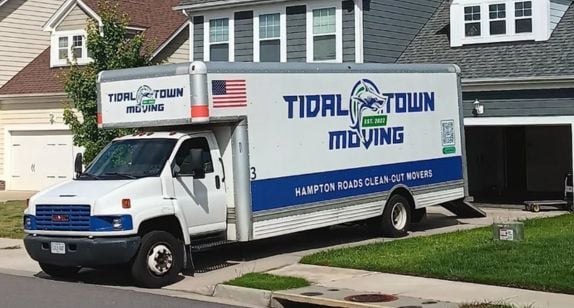
Lastly, consider your moving season timing. If you can, schedule your move during off-peak times or on weekdays, as this can greatly lower expenses. Winter moves, for example, may offer lower rates, but you should still be prepared for challenges like snow and ice. Determining if a DIY move or enlisting professional help is best for you can also be a crucial cost-saving decision. Through asking https://tidaltownmoving.com/ and utilizing available resources, you can develop a moving strategy that maintains your financial stability while facilitating a seamless move to your new residence.