The Hidden Costs of Local Moving: What to Watch For


Relocating to a different home, even if it's only down the street, can feel like a daunting task packed with enthusiasm and stress. While local moves are often viewed as simpler than cross-country relocations, they can present their own unique set of hurdles and hidden costs that many people fail to notice. Recognizing these factors can make a big difference in ensuring a smooth transition and avoiding unexpected expenses.
Before you dive into the hustle of packing containers and hiring trucks, it’s crucial to ask the right questions and know what to expect from your local moving company. From additional fees to special packing needs, being informed can help you save you not only cash but also time and stress. In this article, we’ll discuss the essential aspects of short-distance moving, offering tips and insights to help you maneuver through the process effectively, so you can concentrate on making your fresh house a home.
Key Questions for Neighborhood Moving Companies
When searching for a local moving company, it is important to inquire the right questions to confirm you are making an informed decision. One of the initial questions you should raise is about their licensing and coverage. A trustworthy moving company will be glad to provide evidence that they are authorized to operate in your locality and carry sufficient insurance to safeguard both their employees and your items during the move.
Another key question is about their pricing model. You should ask whether they offer charges by the hour or fixed pricing, as this will significantly impact your expenses. Additionally, ask about any conceivable hidden costs that might occur, such as fees for moving large items, transportation holdups, or fuel fees. Having a thorough understanding of how they assess the last invoice will prevent any surprises on moving day itself.
Lastly, consider asking about their experience and customer service. Determine how long the company has been in business and whether they focus in neighborhood moves. Check if they have a process for handling losses and complaints, and look for customer reviews that showcase their professionalism and trustworthiness. This knowledge will help you evaluate whether they are the suitable fit for your moving requirements.
Grasping Hidden Charges of Community Relocations
When preparing for a neighborhood move, it's essential to be cognizant of multiple hidden costs that can significantly influence your overall budget. While many people consider only the primary fee for retaining local movers, further costs such as shipping supplies, fuel charges, and even fees for staircases or elevators can accumulate quickly. Additionally, if your moving dates coincide with busiest times, such as Saturdays and Sundays or public holidays, you may face elevated rates due to greater demand.
Another area where costs can escalate is in the domain of insurance and responsibility. Most relocation companies provide basic coverage, but it often is inadequate if your items are damaged during transport. It's crucial to know what type of moving coverage you might need and be equipped for the costs associated with upgrading your coverage. This understanding will aid safeguard your items and avert unexpected financial burdens later on.
Lastly, don't overlook the costs related to your own preparations and obligations. Emptying your current home may involve costs for renting for storage facilities, disposal costs for junk, or even the cost of hiring additional help to sort and pack. These costs can be easily miscalculated, but proper planning will assist that you have factored in them in your budget, ultimately culminating in a more seamless moving journey.
Tips for Packing and Protecting Belongings
When preparing your items for a short-distance move, organization is crucial. Start by gathering good packing materials, such as sturdy boxes, bubble wrap, and packing tape. Tag each box clearly with its items and the room it is designated for, making the unpacking process much easier. Consider using colored labels for each room, which can assist you and the movers efficiently locate where each box should be placed in your fresh home.
To make sure your delicate items arrive intact, take special precautions in their packing. Wrap each fragile item separately in bubble wrap or packing paper, and place them in boxes lined with soft materials such as towels or blankets for extra cushioning. Make sure to pack any empty spaces within the boxes with packing peanuts or crumpled paper to avoid movement during transit. For larger fragile items like mirrors or artwork, consider using custom boxes designed for safeguarding.
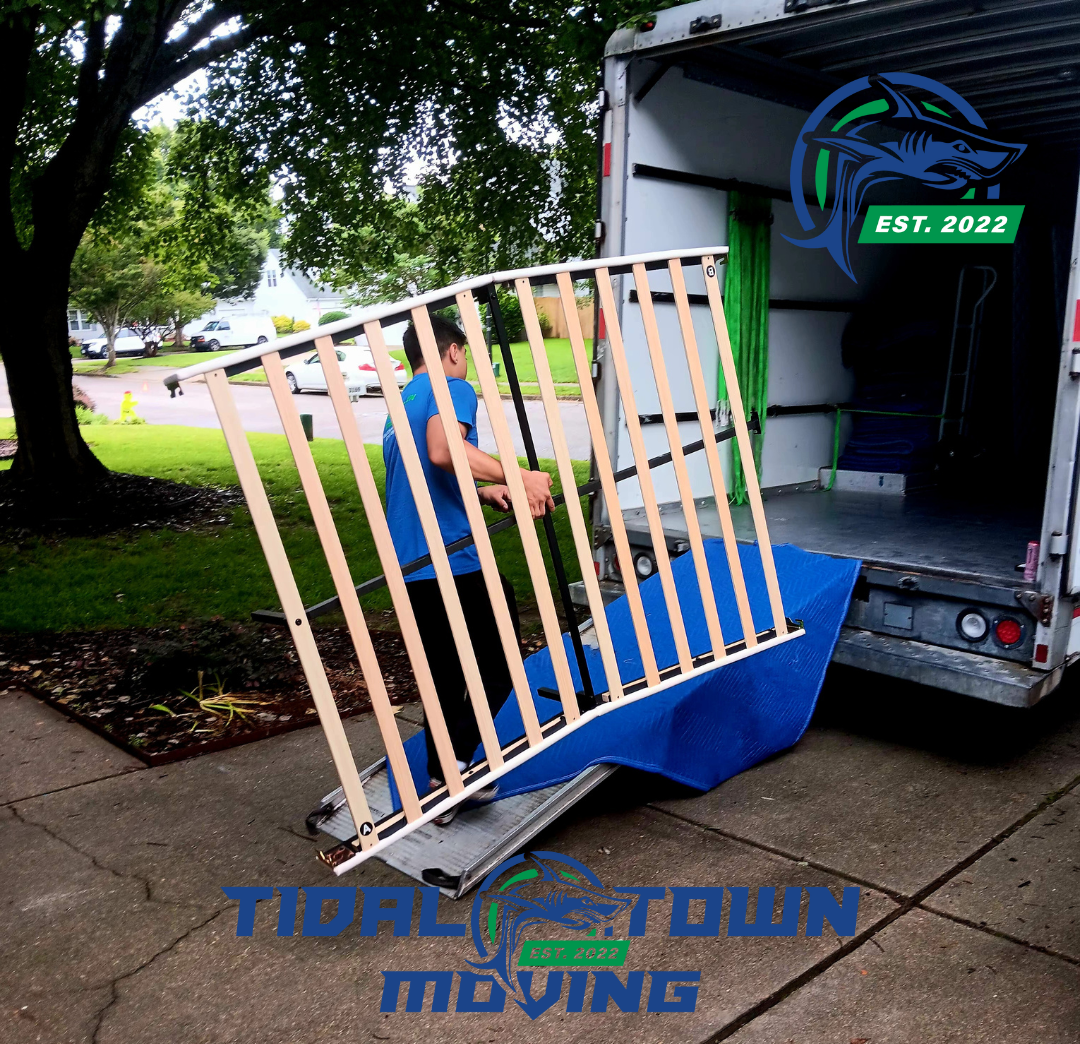
Lastly, remember to take preventative measures for your furniture and larger belongings. Disassemble any pieces that can be taken apart, and wrap the components in moving blankets to guard against damage and damage. Pay special attention to corners and edges, reinforcing these areas with cardboard or extra padding. For items like televisions and large appliances, use their factory boxes if you have them; if not, seek guidance on the best way to securely transport them safely.
Organizing for a Seamless Relocation Day
To guarantee a seamless moving day, planning is key. Start by making a thorough timeline that details all necessary tasks, from packing the last few items to coordinating arrival times with your movers. This will assist you envision the flow of the day and keep everyone on the same page. Include buffer times for unexpected delays, such as traffic or last-minute packing, to maintain a calm atmosphere.
Communication cannot be ignored. If you have secured the help of friends or family, confirm everyone knows their roles and responsibilities. click over here -ins can minimize confusion and ensure that each person is dedicated on their specific tasks. Additionally, having a clear line of communication with your moving company can give you peace of mind, as they can notify you on their arrival time and any changes that arise.
Finally, don’t forget to mind yourself and your family during the move. Plan some simple meals or snacks and ensure that people stay hydrated throughout the day. Prepare a designated "first night" box with essentials that you will need right away in your new home, such as toiletries, a change of clothes, and necessary kitchen items. This planning ahead can minimize stress and help everyone transition comfortably into your new living space.